
What Files Does a CNC Router Need?
Understand scale, vectors, closed paths, layers, dimensions, tolerances, and the information needed for a quote.
Read the Article →
DIGITAL PRECISION. PRACTICAL PRODUCTION.
TLG converts digital files, drawings, templates, and physical requirements into accurate custom parts, prototypes, panels, fixtures, and repeatable production components.

MATERIAL-SPECIFIC CNC ROUTING
The drawing may define the geometry, but the material determines tooling, hold-down, edge quality, feed, finish, tolerance, waste, and what needs to happen after the part leaves the machine.

Produce cabinetry parts, millwork components, furniture profiles, patterns, panels, signs, dimensional features, and repeatable assemblies from hardwood, plywood, MDF, and suitable sheet goods.

Route profiles, holes, pockets, lettering, panels, guards, display parts, templates, and specialty components in acrylic, HDPE, PVC, polycarbonate, composites, and other suitable materials.
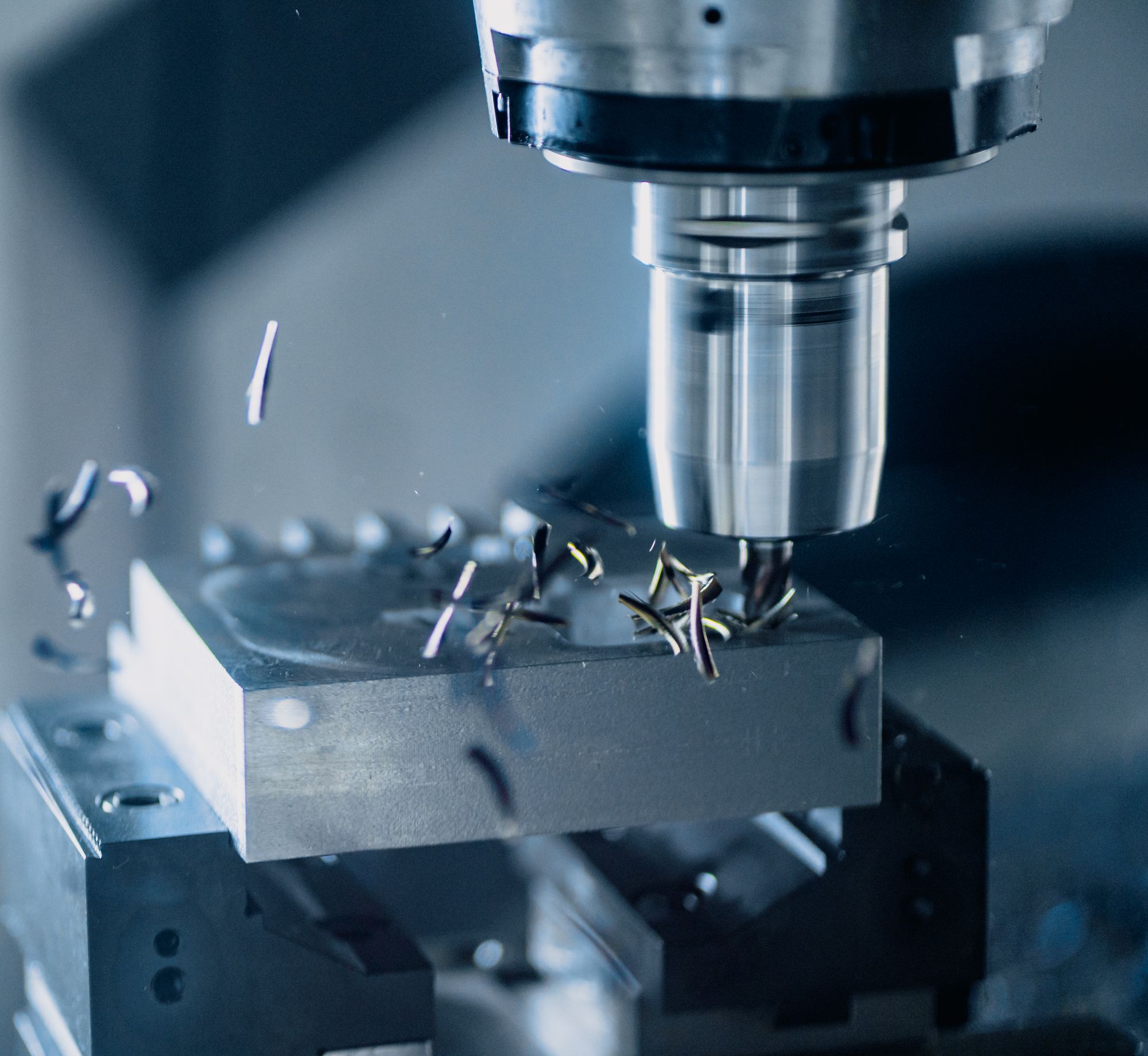
Evaluate suitable non-ferrous and sheet-metal projects based on alloy, grade, thickness, geometry, tooling, finish, machine capacity, tolerance, quantity, and the next fabrication step.
PRODUCTION CAPABILITY MATRIX
TLG reviews the part as a production problem, including how it will be nested, held, cut, labeled, finished, assembled, and used.
Exterior shapes, interior openings, tabs, slots, holes, and nested sheet layouts.
Controlled-depth areas for hardware, inlays, joints, lettering, relief, and component fit.
Text, patterns, textures, graphics, identification, and routed visual features.
Consistent parts organized for assemblies, fixture programs, displays, and multi-location use.
Patterns, jigs, mockups, first articles, test fits, and components used to validate the next step.
Components prepared for welding, carpentry, hardware, finishing, assembly, and installation.

FILE-TO-PART WORKFLOW
A clean digital file can speed the process, but it is not the only place to begin. TLG can also review drawings, dimensions, templates, physical samples, and project intent.
Provide files, drawings, dimensions, material preferences, quantity, intended use, timing, and finish requirements.
Check scale, closed paths, thickness, edge requirements, tooling access, holding strategy, and material behavior.
Define nesting, cutting sequence, tools, depth, tabs, passes, labeling, and material utilization.
Cut a test or first article when fit, geometry, assembly, or material response needs confirmation.
Move approved parts into sanding, finishing, hardware, fabrication, assembly, delivery, or installation.
PROTOTYPE ONCE. PRODUCE WITH CONTROL.
Repeatability does not remove the need for craftsmanship. It gives the team consistent geometry that can move into careful assembly, finishing, fitting, and installation.
Discuss Quantity and Production →Test the design, material, dimensions, connection, and fit before committing to the full run.
Produce coordinated parts for fixtures, assemblies, displays, furniture, and multi-location programs.
Carry the components into carpentry, metalwork, finishing, hardware, assembly, and field installation.
WHAT CNC PRODUCTION CAN SUPPORT
The routed component may be the final product, a pattern, a structural layer, or one piece inside a much larger fabricated environment.


RELATED COMMERCIAL SERVICES


CNC ROUTING INSIGHTS

Understand scale, vectors, closed paths, layers, dimensions, tolerances, and the information needed for a quote.
Read the Article →
See how material type, thickness, tooling, hold-down, edge quality, and finish change the production plan.
Read the Article →
Decide when to test a first article and how repeat quantities affect setup, nesting, finishing, and assembly.
Read the Article →CNC ROUTING FAQ
Send the available files and project details. TLG can identify what still needs to be confirmed before production.
TLG can evaluate wood products, plastics, composites, and suitable metals based on thickness, sheet size, tooling, finish expectations, tolerance, quantity, and the specific machine process required.
Yes. Potential wood applications include plywood, MDF, hardwood, panels, cabinetry parts, millwork components, furniture parts, patterns, and dimensional features.
Yes. Acrylic, HDPE, PVC, polycarbonate, and other plastics can be reviewed for routing, engraving, profiling, pockets, holes, and repeatable components.
Suitable non-ferrous and sheet-metal applications can be evaluated per project. Material type, grade, thickness, tooling, finish, and machine suitability must be confirmed before production.
Vector, CAD, or 3D files are helpful, but TLG can also review drawings, PDFs, sketches, templates, dimensions, and physical samples when production-ready files are not available.
Yes. A prototype or first article can help confirm dimensions, fit, tooling, material behavior, assembly, and finish before repeat production.
Yes. Depending on the scope, parts can move into sanding, edge finishing, painting, coating, hardware, assembly, fabrication, and installation.
Pricing is influenced by material, thickness, sheet size, geometry, file preparation, tool changes, cut time, tolerance, quantity, waste, finishing, assembly, and delivery or installation requirements.